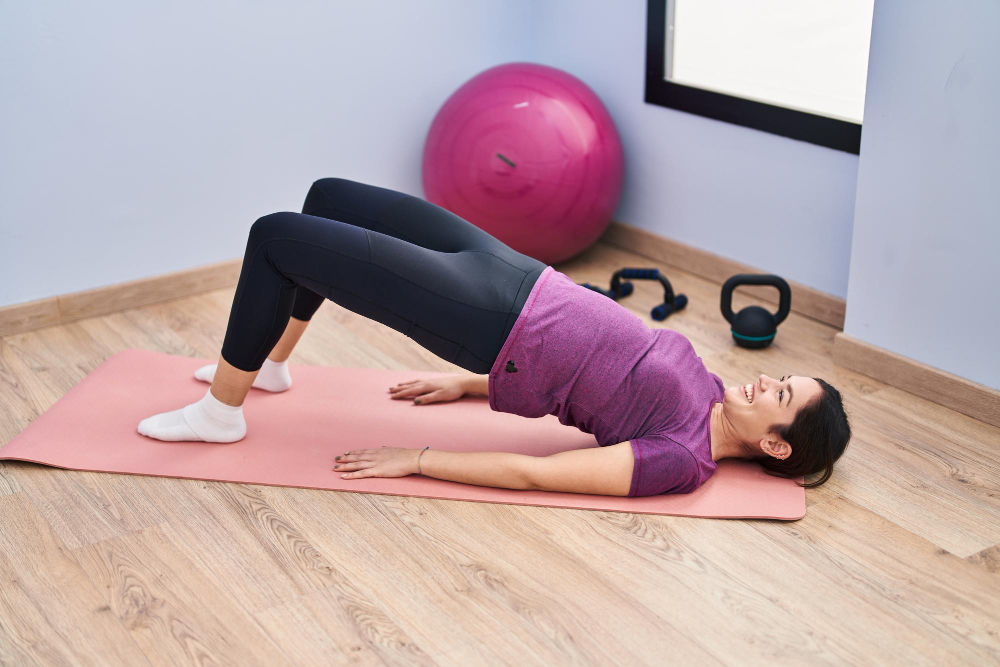
Many people focus on abs or back muscles for core strength. However, pelvic floor physiotherapy is just as important for building true functional strength. The pelvic floor is a group of muscles that support your bladder, bowel, and, in women, the uterus. When these muscles are weak or tight, daily activities can become harder. In fact, improving core stability and muscle health often starts with the pelvic floor. This blog explains what pelvic floor physiotherapy is, why it matters, and how it can help you feel stronger every day.
What Is the Pelvic Floor?
First, let’s look at the pelvic floor. The pelvic floor is a group of muscles at the base of your pelvis. These muscles act like a hammock, holding up your organs. They help control when you go to the bathroom. Also, they play a key role in posture and movement. When you cough, sneeze, or lift something, your pelvic floor muscles work to keep everything in place. Because of this, a healthy pelvic floor is vital for daily life.
Common Issues Related to Pelvic Floor Dysfunction
Sometimes, the pelvic floor muscles do not work as they should. This is called pelvic floor dysfunction. Common problems include:
According to the World Health Organization, these issues affect millions of people worldwide. Yet, many do not seek help because they feel embarrassed. However, help is available, and treatment can make a big difference.
How Pelvic Floor Physiotherapy Works
Pelvic floor physiotherapy is a type of rehabilitation that focuses on these muscles. A trained physiotherapist will assess your pelvic floor strength and function. Then, they design a plan just for you. This may include:
For example, pelvic floor exercises for strength, like Kegels, are often used. These exercises help you gain better control and support for your core.
Benefits of Pelvic Floor Physiotherapy for Functional Strength
Pelvic floor physiotherapy offers many benefits. Not only does it help with bladder and bowel control, but it also improves core stability. When your pelvic floor is strong, your whole body moves better. Here are some key benefits:
Moreover, research in medical journals shows that pelvic floor rehabilitation can boost overall strength and quality of life.
Who Can Benefit from Pelvic Floor Physiotherapy?
Many people think only women need pelvic floor care. However, both men and women can benefit. You may need pelvic floor physiotherapy if you:
Even athletes and older adults can gain from these exercises. In fact, anyone looking to improve their core can benefit.
Tips for Maintaining Pelvic Floor Health
Keeping your pelvic floor healthy is easier than you might think. Here are some simple tips:
Additionally, listen to your body. If you notice any changes, take action early.
When to Consult a Physiotherapist
Sometimes, self-care is not enough. If you have ongoing pelvic pain, leakage, or trouble with daily activities, it is time to seek help. A physiotherapist can assess your needs and guide you through safe, effective rehabilitation for pelvic floor health. Early treatment can prevent problems from getting worse. Therefore, do not wait if you have concerns.
In summary, pelvic floor physiotherapy is a key part of building true functional strength. It helps improve core stability, muscle health, and daily comfort. Consult a physiotherapist for personalized guidance on pelvic floor health.