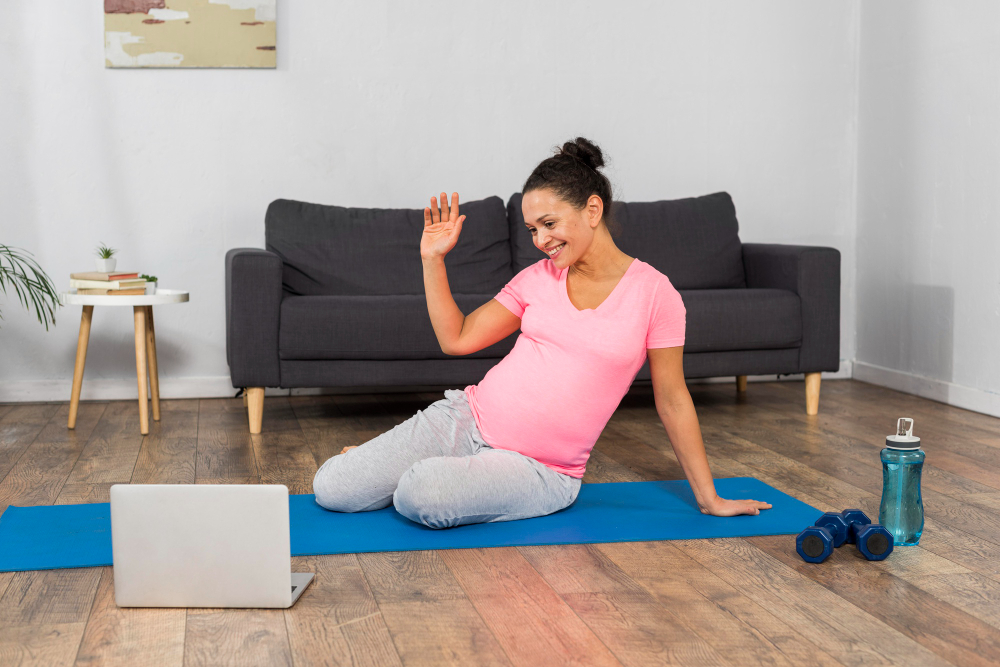
Introduction to Pelvic Floor Exercises for Pregnancy
Many women hear about pelvic floor exercises for pregnancy, but may not know why they matter. These simple movements help strengthen the muscles that support your bladder, uterus, and bowels. Because pregnancy puts extra pressure on these muscles, it is important to keep them strong. In this blog, you will learn about pregnancy pelvic floor benefits, safe pelvic floor exercises during pregnancy, and how to strengthen pelvic muscles in pregnancy.
Why Pelvic Floor Health Matters During Pregnancy
During pregnancy, your body changes in many ways. For example, your growing baby adds weight and pressure to your pelvic area. As a result, your pelvic floor muscles may weaken. This can lead to problems like urine leaks or discomfort. However, strong pelvic muscles can help you avoid these issues. According to the World Health Organization (WHO), good pelvic floor health supports a smoother pregnancy and recovery after birth.
Key Benefits of Pelvic Floor Exercises for Pregnant Women
Pelvic floor exercises offer many advantages. Not only do they help during pregnancy, but they also support your body after delivery. Here are some key benefits:
Because these benefits are important, many doctors recommend pelvic floor exercises for pregnancy.
Step-by-Step Guide: How to Do Pelvic Floor Exercises Safely
It is easy to start safe pelvic floor exercises during pregnancy. Follow these steps to strengthen your pelvic muscles:
For best results, add these exercises to your daily routine. For example, you can do them while watching TV or before bed.
Common Mistakes and Safety Tips
Although pelvic floor exercises are safe, some mistakes can reduce their benefits. Here are common errors and tips to stay safe:
Because every pregnancy is unique, always listen to your body. If something feels wrong, seek advice.
When to Consult a Physiotherapist
Sometimes, you may need extra help. For example, if you have trouble finding your pelvic floor muscles, a physiotherapist can guide you. Also, if you have pain, leaks, or other concerns, it is wise to seek expert advice. Physiotherapists who specialize in women’s health can create a plan just for you. They can also show you safe pelvic floor exercises during pregnancy.
Frequently Asked Questions
In summary, pelvic floor exercises for pregnancy offer many benefits. They are simple, safe, and can make a big difference in your comfort and health. For the best results, practice them daily and follow safety tips. Consult a physiotherapist or healthcare provider for personalized advice on pelvic floor exercises during pregnancy.