What is Parkinson’s Disease?
Parkinson’s disease is a brain condition that affects movement. It often causes shaking, slow movements, and stiffness. Many people also notice trouble with balance. Because it gets worse over time, daily tasks can become harder. However, with the right care, people can manage symptoms and stay active. According to the World Health Organization (WHO), millions of people worldwide live with Parkinson’s. Early treatment and exercise can make a big difference.
Understanding “Large” Exercises in Physiotherapy
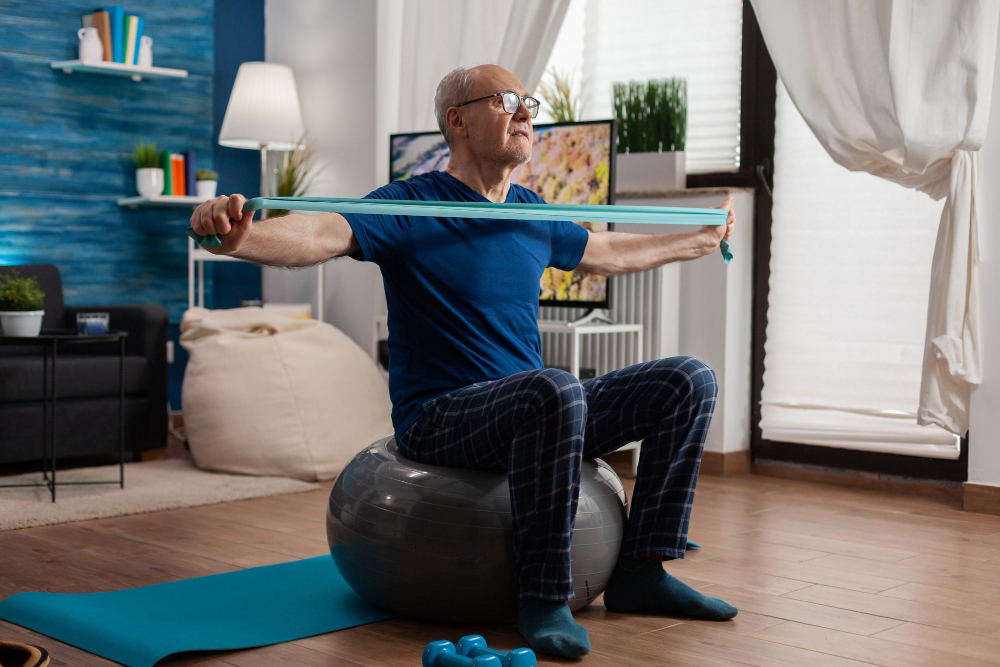
In physiotherapy for Parkinson’s, “large” exercises mean making big, strong movements. These are called large amplitude movement therapy. For example, reaching high, taking big steps, or swinging your arms wide. These moves help the brain and body work together. Unlike small or slow movements, large exercises wake up the muscles and nerves. As a result, people may feel more in control of their bodies.
How “Large” Exercises Benefit People with Parkinson’s
Large exercises offer many benefits for people with Parkinson’s. First, they help improve balance and walking. Second, they can make daily tasks easier. Third, they may boost mood and confidence. Research shows that regular large movements can slow down some symptoms. For example, a study in the journal Movement Disorders found that large amplitude exercises improved walking speed and balance. In addition, these exercises can help reduce the risk of falls.
Step-by-Step Examples of “Large” Exercises
Before starting, always talk to your doctor or physiotherapist. Here are some simple large exercises you can try at home:
Remember, go slow at first. As you get stronger, you can add more repeats or time.
Safety Tips and Precautions
Staying safe is important when doing large exercises. Here are some tips to help you:
If you have heart problems or other health issues, check with your doctor first. In addition, start with short sessions and build up slowly.
Lifestyle Guidance for Managing Parkinson’s
Besides exercise, other healthy habits can help manage Parkinson’s. For example, eating a balanced diet gives your body energy. Getting enough sleep helps your brain and muscles recover. Staying social and joining support groups can boost your mood. Here are some simple lifestyle tips:
Moreover, regular check-ups with your doctor help track your progress.
Prevention and Early Intervention
While there is no sure way to prevent Parkinson’s, early action can help. If you notice signs like shaking, slow movement, or trouble with balance, see a doctor soon. Early physiotherapy for Parkinson’s can slow down symptoms. In many cities, you can find Parkinson’s physiotherapy programs. For example, “Parkinson’s physiotherapy in [Your City]” may offer group classes or one-on-one sessions. The sooner you start, the better your chances of staying active and independent.
Conclusion
Large exercises can make a big difference for people with Parkinson’s. They help improve movement, balance, and confidence. However, always talk to a physiotherapist or healthcare specialist for personalized guidance on Parkinson’s exercises. Stay active, stay safe, and take steps toward better health every day.