Introduction
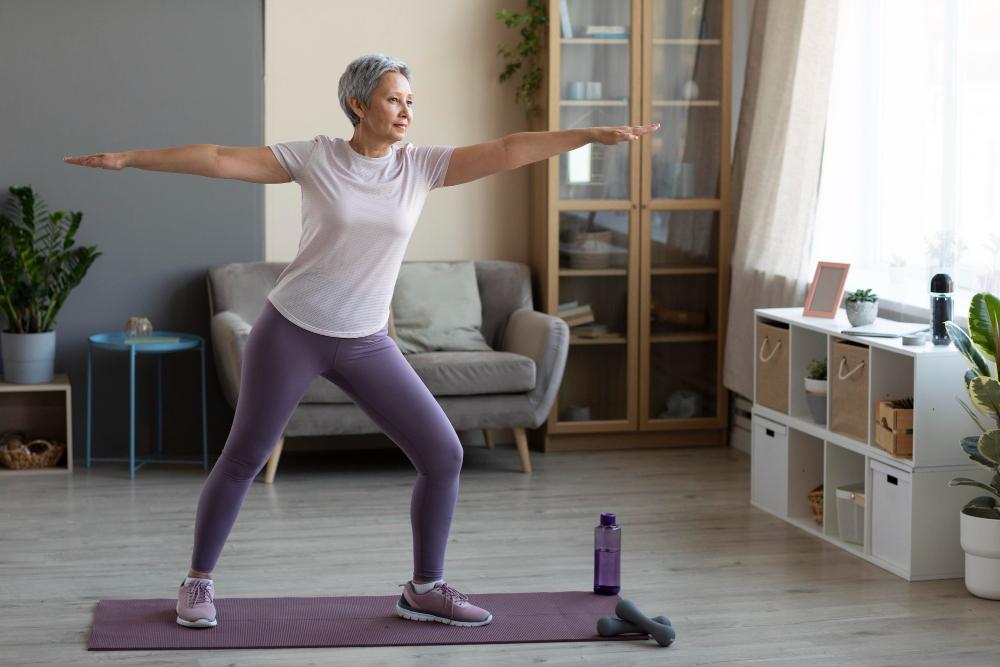
Staying active is important at any age. However, for women over 60, choosing the right exercises is key. Many women search for safe exercises for 60+ women to stay healthy and strong. With the right physiotherapy routines, you can boost your energy, improve balance, and enjoy daily life. In this guide, you will find five essential exercises that are both safe and effective. These routines are easy to follow and designed for senior women. Before you begin, remember to check with your doctor or physiotherapist.
Benefits of Exercise for Women Over 60
Regular exercise brings many benefits, especially for women over 60. For example, it helps keep your muscles strong and your joints flexible. In addition, exercise can improve your balance, which lowers the risk of falls. It also supports heart health and helps control weight. Moreover, staying active can lift your mood and boost your confidence. According to the World Health Organization, older adults should aim for at least 150 minutes of moderate activity each week. Even gentle movements can make a big difference.
5 Essential Exercises
1. Seated Marching
Seated marching is a simple way to get your legs moving. First, sit tall in a sturdy chair with your feet flat on the floor. Next, lift one knee toward your chest, then lower it. After that, lift the other knee. Continue to march in place for 1–2 minutes. This exercise helps improve blood flow and strengthens your legs. If you feel unsteady, hold the sides of the chair for support. Always move at your own pace.
2. Wall Push-Ups
Wall push-ups are a safe way to build upper body strength. To start, stand facing a wall, about arm’s length away. Place your hands flat on the wall at shoulder height. Then, bend your elbows and lean your body toward the wall. After that, push back to the starting position. Repeat 10–15 times. This exercise works your arms, chest, and shoulders. If needed, adjust your distance from the wall for comfort. Remember to keep your back straight.
3. Heel-to-Toe Walk
This exercise helps improve balance and coordination. First, stand near a wall or counter for support. Place one foot directly in front of the other, so the heel touches the toes. Then, take a step forward, placing the other heel in front of the toes. Continue for 10 steps. If you feel wobbly, use the wall for balance. Practicing this walk daily can lower your risk of falls. Always wear supportive shoes.
4. Gentle Chair Squats
Chair squats strengthen your legs and hips. Begin by standing in front of a chair with your feet shoulder-width apart. Next, bend your knees and lower yourself as if you are going to sit. Lightly touch the chair, then stand back up. Repeat 8–10 times. This movement helps with daily tasks like sitting and standing. If you need extra support, keep your hands on the chair’s back. Move slowly and avoid locking your knees.
5. Shoulder Rolls
Shoulder rolls are great for easing stiffness and improving posture. Sit or stand with your arms relaxed at your sides. Roll your shoulders forward in a circular motion 10 times. Then, roll them backward 10 times. This exercise can relieve tension and keep your shoulders flexible. If you feel any pain, stop and rest. Try to keep your movements smooth and gentle.
Tips for Staying Motivated
Above all, listen to your body and rest when needed. Staying motivated can help you make exercise a regular part of your life.
Precautions and When to Consult a Physiotherapist
Before starting any new exercise, it is wise to talk to your doctor or physiotherapist. This is especially important if you have health conditions like arthritis, heart problems, or balance issues. If you feel pain, dizziness, or shortness of breath during exercise, stop right away. In addition, avoid movements that feel unsafe or cause discomfort. A physiotherapist can help you choose the best exercises for your needs. They can also show you how to do each movement safely.
Conclusion
In summary, safe exercises for senior women can boost strength, balance, and well-being. The five physiotherapy routines above are easy to start at home. However, always check with a healthcare provider before beginning. With regular practice, you can enjoy better health and more independence. For personalized advice, consult a physiotherapist or your doctor today.