Introduction
Ligament injuries are common, especially in sports and daily activities. The term “ligament injuries” refers to damage to the strong bands that connect bones at a joint. These injuries can cause pain, swelling, and limit movement. Understanding the causes, recovery, and the role of rehabilitation is important. This knowledge helps you manage injuries better and prevent future problems. For many, knowing what to expect can ease worry and support a smoother recovery.
Causes of Ligament Injuries
Ligament injuries often happen when a joint is forced beyond its normal range. Many people experience these injuries during physical activity. However, they can also occur in daily life. Common causes include:
In addition, some risk factors make ligament injuries more likely. For example, weak muscles, poor balance, or not warming up before exercise can increase risk. Age and previous injuries also play a role. Because of these factors, anyone can be at risk, not just athletes.
Symptoms and Diagnosis
When a ligament is injured, certain symptoms often appear. These may include:
Healthcare professionals diagnose ligament injuries in several ways. First, they ask about how the injury happened. Next, they examine the joint for swelling, tenderness, and movement. Sometimes, doctors use imaging tests. For example, X-rays can rule out broken bones. MRI scans help show soft tissue damage, including torn ligaments. Early diagnosis is important for proper treatment and recovery.
Recovery Process
Recovery from ligament injuries happens in stages. Right after the injury, rest and ice help reduce pain and swelling. During the first few days, keeping the joint still is often needed. As swelling goes down, gentle movement may begin. Over time, strength and flexibility exercises help restore function. Healing times vary. Mild injuries may heal in a few weeks. However, severe tears can take months. Several factors affect recovery, such as age, overall health, and how well you follow your care plan. Because each injury is different, your doctor will guide you through each step.
Role of Rehabilitation in Ligament Injuries
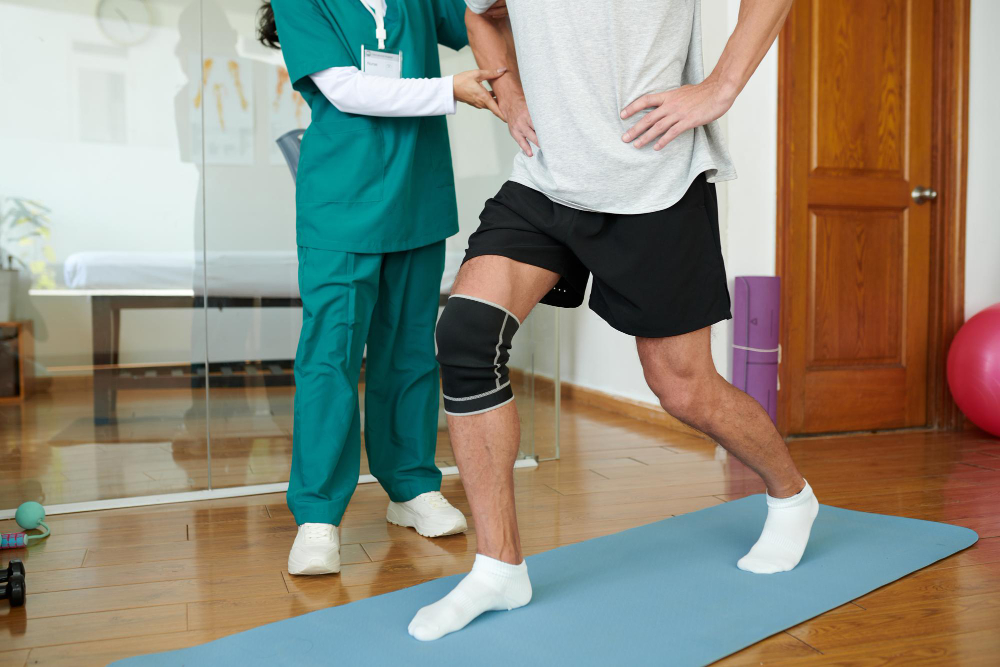
Rehabilitation is key to full recovery from ligament injuries. Physiotherapy helps restore movement and strength. Early on, gentle exercises keep the joint flexible. As healing progresses, strengthening exercises protect the joint. Balance and coordination training help prevent future injuries. Common rehabilitation techniques include:
Rehabilitation also helps reduce pain and swelling. It supports healing by increasing blood flow and keeping tissues healthy. Because of this, sticking to your rehabilitation plan is important. In many cases, proper rehab can lower the risk of re-injury and help you return to daily activities safely.
Prevention Tips
Although not all ligament injuries can be avoided, many can be prevented with simple steps. For example, you can:
Because prevention is easier than treatment, making these changes can protect your joints. If you have questions about safe exercise or injury prevention, a physiotherapist or healthcare provider can help. Following their advice supports long-term joint health and reduces your risk of ligament injuries.