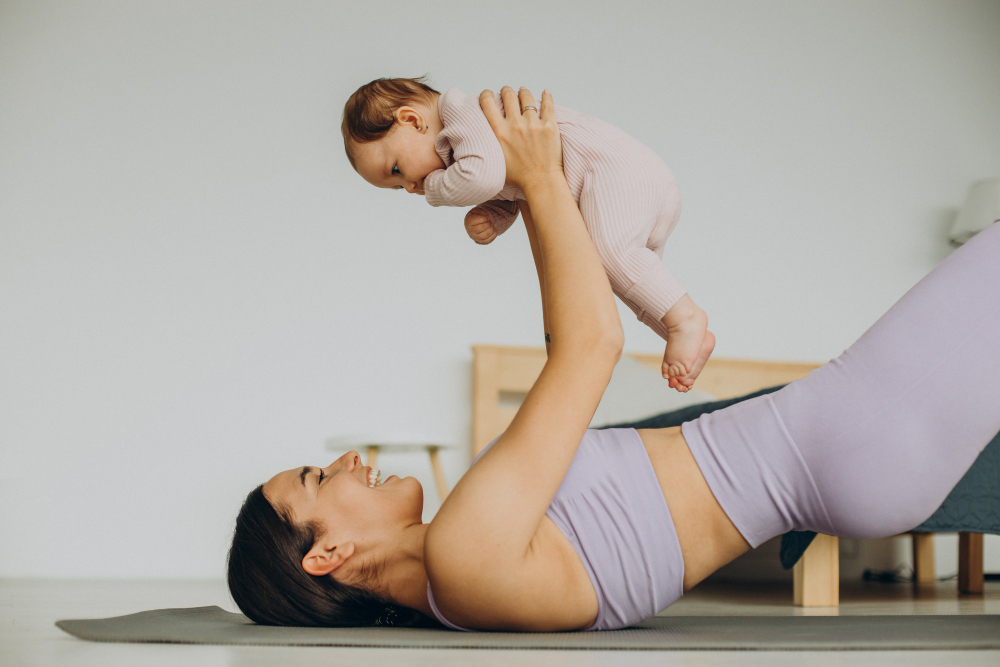
What is Postpartum Physiotherapy?
After giving birth, many women face physical changes. Postpartum physiotherapy helps new mothers recover and regain strength. This type of care focuses on the body’s healing process after childbirth. It uses gentle exercises and safe techniques to support recovery. Often, women seek postpartum physiotherapy to feel stronger and healthier. In fact, it can help with pain, weakness, and other common issues. Because every woman’s body is different, a physiotherapist creates a plan that fits each person’s needs.
Common Physical Challenges After Birth
Many women notice changes in their bodies after pregnancy and delivery. For example, you may feel weak, tired, or sore. Some common challenges include:
Because these issues can affect daily life, it is important to address them early. With the right support, most women can recover well.
Benefits of Postpartum Physiotherapy
Postpartum physiotherapy offers many benefits. First, it helps you regain strength after pregnancy. Also, it can reduce pain and improve movement. Some key benefits include:
Because these benefits support both body and mind, many women feel more confident as they heal. According to the World Health Organization (WHO), early movement and gentle exercise can speed up recovery.
Key Physiotherapy Techniques for Recovery
Physiotherapists use several safe techniques to help new mothers. For instance, they may teach breathing exercises to relax muscles. They also guide women through gentle stretches and movements. Some common techniques include:
Because every woman’s needs are unique, a physiotherapist will adjust these techniques as needed. This helps ensure safe and steady progress.
Safe Exercises to Rebuild Strength
After birth, it is important to start with safe postpartum workouts. Always check with your doctor before beginning any exercise. Here are some gentle exercises to try:
Because these exercises are gentle, they help rebuild strength without strain. For more ideas, search for “postnatal physiotherapy exercises” or “safe postpartum workouts.”
Tips for a Healthy Postpartum Recovery
Recovering after childbirth takes time and care. To help your body heal, consider these tips:
Because every recovery is different, listen to your body and take breaks when needed.
When to Consult a Physiotherapist
Sometimes, you may need extra support. You should see a physiotherapist if you notice:
Because early help can prevent long-term problems, do not wait to seek advice. You can search for “postpartum physiotherapy near me” to find local experts.
Prevention and Long-Term Wellness
Staying active and following safe exercises can help prevent future problems. For example, regular movement keeps muscles strong and flexible. Also, learning proper lifting and posture can protect your back. To support long-term wellness:
Because prevention is key, these habits can help you feel your best for years to come.
For personalized postpartum recovery guidance, consult a qualified physiotherapist. They can help you regain strength safely and confidently.