What is Parkinson’s Disease?
Parkinson’s disease is a brain disorder. It mainly affects movement. People with this condition may shake, feel stiff, or move slowly. Over time, walking and balance can become harder. Although there is no cure, treatment can help manage symptoms. Many people find that physiotherapy is a key part of their care plan.
Why is Physiotherapy Important for Parkinson’s Disease?
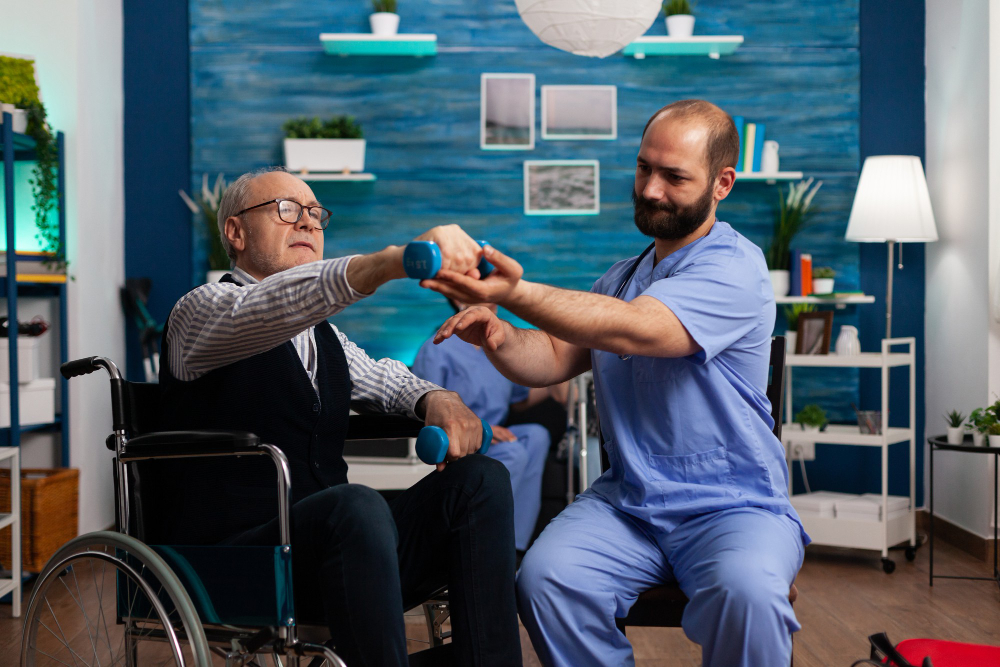
Physiotherapy helps people with Parkinson’s disease move better. It can make daily life easier. For example, it may improve walking, balance, and strength. Because Parkinson’s can cause muscles to become stiff, regular movement is important. Physiotherapy also helps prevent falls and injuries. In addition, it can boost confidence and independence.
Key Physiotherapy Techniques for Parkinson’s Disease
Many physiotherapy exercises for Parkinson’s focus on movement and balance. Here are some common techniques:
Sometimes, therapists use tools like treadmills or balance boards. However, many exercises can be done at home with little equipment.
Benefits of Physiotherapy in Parkinson’s Disease
Physiotherapy offers many benefits for people with Parkinson’s disease. For instance, it can:
According to the World Health Organization and recent studies, regular physiotherapy can slow the loss of movement skills. Therefore, it is a key part of Parkinson’s rehabilitation.
Tips for Patients and Caregivers
Managing Parkinson’s disease at home can be easier with the right tips. Here are some helpful ideas:
Moreover, caregivers should encourage regular movement and join in exercises when possible. This support can make a big difference.
Prevention and Lifestyle Guidance
While Parkinson’s disease cannot be prevented, a healthy lifestyle may help manage symptoms. For example, staying active keeps muscles strong. Eating a balanced diet supports overall health. In addition, getting enough sleep and managing stress are important. Joining a support group can also help with emotional well-being.
When to Consult a Physiotherapist
It is best to see a physiotherapist soon after a Parkinson’s diagnosis. Early care can slow movement problems. However, you should also consult a physiotherapist if you notice:
In many cities, you can find Parkinson’s physiotherapy clinics. Ask your doctor for a referral to a local specialist. Early and regular sessions can make a big difference.
To sum up, physiotherapy is a vital part of Parkinson’s disease care. It helps improve movement, safety, and quality of life. Consult a physiotherapist for personalized Parkinson’s disease care and guidance.