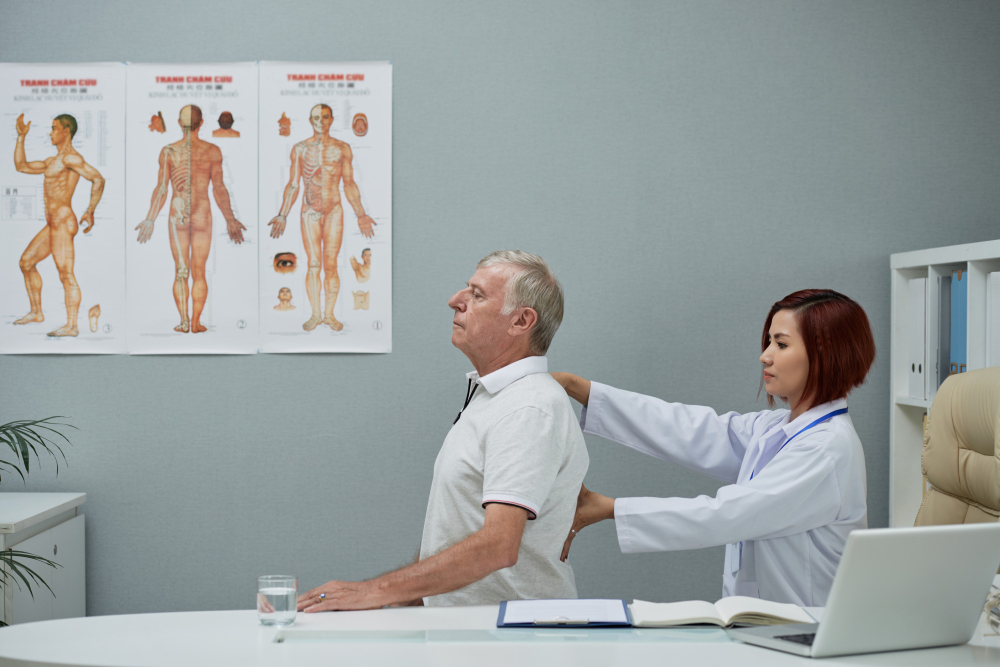
What is Spinal Stenosis?
Spinal stenosis is a condition where the spaces in your spine become narrow. As a result, this narrowing puts pressure on the nerves in your back. Many people develop spinal stenosis as they get older. However, it can also happen due to injury or other spine problems. For many, physiotherapy for spinal stenosis offers relief and helps improve daily movement.
Common Symptoms of Spinal Stenosis
Often, people with spinal stenosis notice symptoms slowly. For example, you might feel pain or numbness in your back or legs. Sometimes, these symptoms get worse when you walk or stand for a long time. On the other hand, sitting or bending forward may ease the pain. In some cases, you may also notice:
If you notice any of these signs, it is important to talk with your doctor. Early care can help prevent symptoms from getting worse.
Causes and Risk Factors
Spinal stenosis often happens as a part of aging. Over time, the bones and tissues in your spine can change. For instance, arthritis can cause the joints to swell or form bone spurs. Other causes and risk factors include:
While anyone can get spinal stenosis, it is more common in people over 50. Staying active and keeping a healthy weight can lower your risk.
How Spinal Stenosis is Diagnosed
Doctors use several steps to diagnose spinal stenosis. First, they will ask about your symptoms and medical history. Next, they may check your back and legs for strength, feeling, and reflexes. To see inside your spine, your doctor may order tests such as:
With these tests, your doctor can find out how much narrowing is present. This helps guide the best treatment plan for you.
Role of Physiotherapy in Managing Spinal Stenosis
Physiotherapy for spinal stenosis is a key part of non-surgical treatment. In many cases, it helps people move better and feel less pain. For example, physiotherapists teach you safe ways to stretch and strengthen your back. They also show you how to improve your posture and balance. Because everyone is different, your physiotherapist will create a plan that fits your needs. In cities with many options, such as physiotherapy clinics in Toronto or New York, you can find experts who focus on spine care.
Effective Physiotherapy Techniques and Exercises
Physiotherapists use many methods to help with spinal stenosis. Some common techniques include:
For example, spinal stenosis exercises may include knee-to-chest stretches or pelvic tilts. However, it is important to follow your physiotherapist’s advice. They will show you which exercises are safe and how often to do them. Over time, these activities can reduce pain and help you stay active.
Lifestyle Tips for Living with Spinal Stenosis
Living with spinal stenosis can be challenging. Still, small changes can make daily life easier. For instance, you can:
Additionally, talking with your physiotherapist can help you find new ways to manage symptoms. They can suggest tools or aids, such as walking sticks, if needed.
Prevention Strategies
While not all cases of spinal stenosis can be prevented, some steps may lower your risk. For example, you can:
Because early care is important, do not ignore new or worsening symptoms. With the right support, many people with spinal stenosis can lead active, healthy lives.