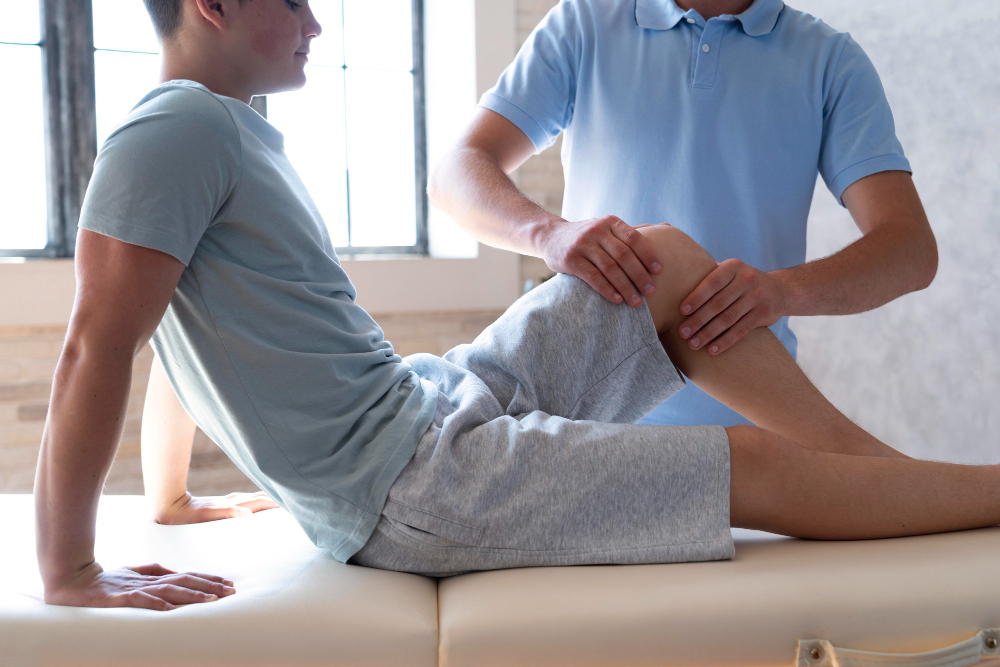
Introduction: What Is Knee Pain Physiotherapy?
Knee pain physiotherapy is a safe way to treat and manage knee pain. It uses special exercises, hands-on care, and advice to help you move better. Many people choose physiotherapy because it can reduce pain and improve daily life. In fact, early treatment often helps prevent long-term problems. If you have knee pain, learning about physiotherapy can guide you toward relief.
Common Causes of Knee Pain
Knee pain can happen for many reasons. Sometimes, it starts after an injury. Other times, it develops slowly over time. For example, you may feel pain from:
Because knee pain can have many causes, it is important to find the right treatment for your needs.
Symptoms That Indicate the Need for Physiotherapy
Sometimes, knee pain goes away on its own. However, certain signs mean you should consider knee pain physiotherapy. For instance, look out for:
If you notice these symptoms, physiotherapy can help you recover safely.
How Physiotherapists Diagnose Knee Pain
First, a physiotherapist will ask about your pain and how it started. Next, they will check your knee’s movement, strength, and balance. Sometimes, they may watch how you walk. In some cases, they may suggest seeing a doctor for X-rays or scans. However, most knee pain can be diagnosed with a simple exam. This careful check helps your physiotherapist choose the best treatment for you.
Evidence-Based Physiotherapy Treatments for Knee Pain
Physiotherapists use proven methods to treat knee pain. These treatments are safe and backed by research. For example, common options include:
According to the American Physical Therapy Association, these treatments can help most people with knee pain (source: APTA).
Recommended Physiotherapy Exercises for Knee Pain
Exercise is a key part of knee pain physiotherapy. However, always check with a physiotherapist before starting new exercises. Some helpful exercises include:
Because every knee is different, your physiotherapist may suggest other exercises just for you.
Lifestyle and Self-Care Tips for Managing Knee Pain
Along with physiotherapy, simple changes can help manage knee pain. For example, try these tips:
With these steps, you can often feel better and stay active.
Prevention Strategies to Avoid Knee Pain Recurrence
Preventing knee pain is possible with a few smart habits. For instance, you can:
Because prevention is easier than treatment, these habits can protect your knees for years to come.
When to Consult a Physiotherapist
If your knee pain does not improve with rest, it is time to seek help. Also, if you notice swelling, weakness, or trouble walking, a physiotherapist can guide you. Early care often leads to faster recovery. For those searching online, try looking for “knee pain physiotherapy near me” to find a local expert.
Conclusion
Knee pain physiotherapy offers safe, proven ways to reduce pain and improve movement. With the right treatment, exercises, and self-care, you can get back to your daily life. Consult a licensed physiotherapist for personalized knee pain management.