Introduction
ACL and meniscus injuries are common knee problems. The ACL, or anterior cruciate ligament, helps keep your knee stable. The meniscus is a piece of cartilage that cushions your knee joint. Many people, especially athletes, suffer from these injuries. However, anyone can get them during daily activities. Because these injuries can affect movement, proper rehabilitation is very important. Early and effective ACL and meniscus injuries rehabilitation can help you regain strength and prevent future problems. In fact, rehab is key to a safe and full recovery.
Symptoms and Signs
Recognizing symptoms early can help you get the right treatment. Often, ACL and meniscus injuries share similar signs. However, some symptoms may be unique to each injury. For example, you may notice:
Because these symptoms can limit your daily life, it is important to pay attention to them.
Causes and Risk Factors
Many things can cause ACL and meniscus injuries. Most often, they happen during sports or sudden movements. However, even simple activities can lead to injury. Common causes include:
Some people are at higher risk. For instance, athletes, especially those in soccer or basketball, face more risk. Age, previous knee injuries, and weak muscles can also increase your chances. Because of these risks, it is important to use proper techniques and stay fit.
Diagnosis
Getting the right diagnosis is the first step to recovery. Usually, your doctor will start with a physical exam. They may move your knee to check for pain, swelling, or instability. In addition, imaging tests help confirm the injury. These may include:
Because early diagnosis leads to better outcomes, do not delay seeing a healthcare provider if you suspect an injury.
Rehabilitation Process
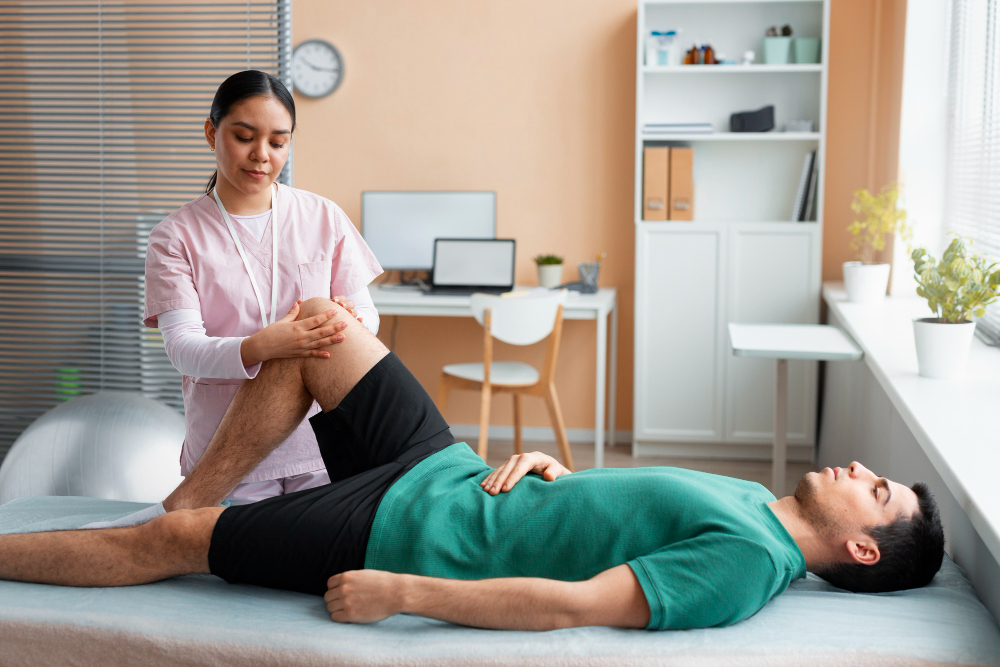
Rehabilitation is key for ACL and meniscus injuries. The process often has several phases. Each phase helps you regain strength, movement, and confidence. For example, a typical rehab plan may include:
Because each person heals differently, timelines can vary. However, most people need several months for full recovery. Physiotherapy for knee injuries is very important throughout this process. Rehab exercises for ACL and meniscus injuries should be done regularly and safely.
Home Care and Lifestyle Tips
Home care plays a big role in recovery. While you follow your rehab plan, you can also:
Because small steps add up, stick to your plan every day. If you need extra help, look for rehabilitation centers near you.
Prevention Strategies
Although not all injuries can be prevented, you can lower your risk. For example, you can:
Because prevention is easier than treatment, make these habits part of your routine.
When to Seek Medical Help
Sometimes, home care is not enough. You should see a doctor if you:
Because early treatment can prevent long-term problems, do not wait to get help.
Consult a physiotherapist or rehabilitation specialist for personalized recovery guidance.