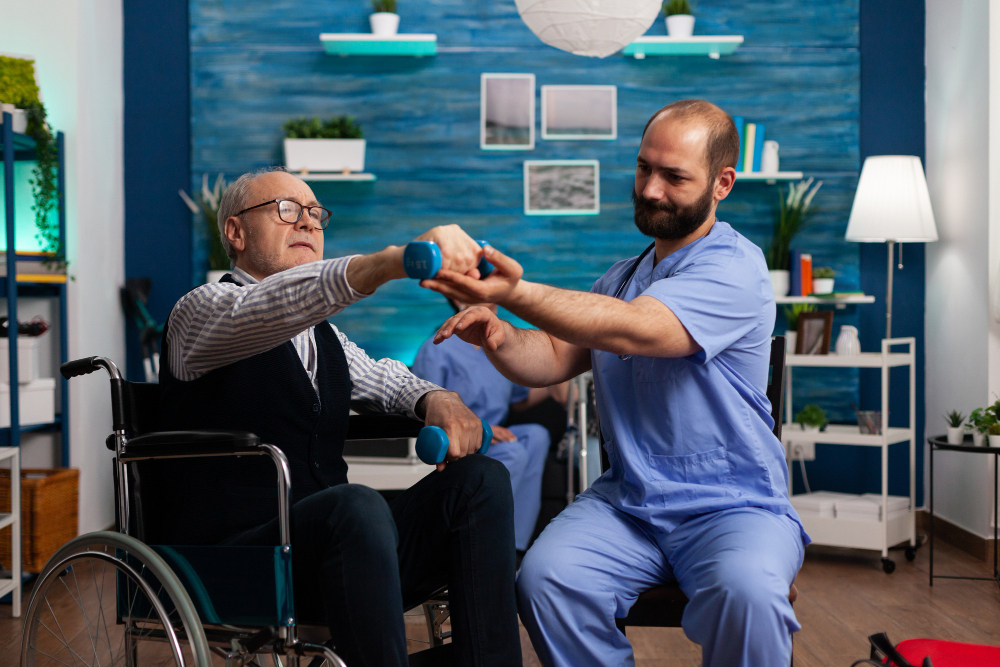
What is Geriatric Rehabilitation?
Geriatric rehabilitation focuses on helping older adults recover strength, movement, and independence. Many seniors face health changes as they age. Because of this, geriatric rehabilitation uses special care plans to meet their unique needs. The main goal is to help seniors live safely and comfortably at home or in their community. In addition, this type of care often includes physiotherapy for seniors, occupational therapy, and support for daily activities. Geriatric rehabilitation can take place in hospitals, clinics, or even at home.
Common Conditions Addressed in Geriatric Rehabilitation
Older adults may face many health problems that affect their daily life. Geriatric rehabilitation helps manage these conditions, so seniors can stay active. Some common conditions include:
Because these conditions can limit movement, rehabilitation for elderly people is very important.
Symptoms and Challenges Faced by Older Adults
Many seniors notice changes in their bodies as they age. For example, they may feel weak or tired more easily. Some common symptoms and challenges include:
However, with the right support, many of these problems can improve. Geriatric rehabilitation aims to address these issues and help seniors regain confidence.
Assessment and Diagnosis in Geriatric Rehabilitation
Before starting treatment, a team of health experts will assess the senior’s needs. Usually, this team includes doctors, physiotherapists, and occupational therapists. They may ask about medical history, daily habits, and recent falls. In addition, they will check strength, balance, and movement. Sometimes, special tests or scans are needed to find the cause of symptoms. After the assessment, the team creates a care plan tailored to the person’s goals and abilities.
Treatment Approaches and Physiotherapy Techniques
Geriatric rehabilitation uses many treatment methods to help older adults. Some common approaches include:
Moreover, therapists may teach family members how to support their loved one at home. Each plan is unique, so it matches the senior’s needs and goals.
Lifestyle Modifications and Home Care Tips
Simple changes at home can make life safer and easier for seniors. For example, removing loose rugs can prevent falls. Here are some helpful tips:
Additionally, family support and regular check-ins can boost confidence and well-being.
Prevention and Maintaining Independence
Preventing injuries and health problems is key for older adults. Staying active helps keep muscles and joints strong. For instance, walking, stretching, or light yoga can be very helpful. Eating a balanced diet and drinking enough water also support good health. Furthermore, regular check-ups with a doctor can catch problems early. By making healthy choices, seniors can maintain their independence for longer.
Benefits of Geriatric Rehabilitation
Geriatric rehabilitation offers many benefits for older adults. Some of the main advantages include:
According to the World Health Organization (WHO), rehabilitation can help seniors stay active and engaged in their communities. Because of these benefits, many families choose geriatric rehabilitation services for their loved ones.
In summary, geriatric rehabilitation plays a vital role in helping older adults live better, safer lives. Consult a qualified physiotherapist or rehabilitation specialist for personalized advice on geriatric rehabilitation.